Most people who invest in a Pilates certification program and never build a teaching career did not fail for lack of passion. They failed because they chose the wrong program. A certification is not just a course you complete and frame on the wall. It is the foundation your entire teaching career stands on.
In places like Nosara, Santa Teresa, and across Costa Rica, the demand for qualified Pilates instructors is growing faster than ever. Retreat centers, boutique studios, and wellness resorts are actively looking for instructors who can teach with confidence, work with diverse bodies, and deliver real results.
The gap between programs that produce those instructors and programs that simply hand out certificates is enormous. This guide helps you tell the difference before you spend your money.
What a Pilates Certification Program Really Means Beyond the Certificate
A piece of paper doesn’t make you a great instructor; the grit behind your training does. While online programs offer convenience, they cannot teach you how to adjust a real, unpredictable body the way hands-on, in-person training does.
The gap widens even more between cheap weekend crash courses that hand out superficial certificates and comprehensive programs that demand months of study in anatomy and biomechanics, along with grueling practice hours.
Ultimately, the clock is a myth: a 200-hour program packed with fierce, real-world mentorship will always produce a sharper instructor than a 400-hour program spent passively watching videos.
The 7 Core Elements That Make a Pilates Certification Program Worth Enrolling In
Pilates instructor earnings in established markets range from $40 to over $100 per hour for private sessions and group classes.
Alt text: core elements of the Pilates certification program
The programs that position graduates at the higher end of that range share seven specific qualities. Here is what to look for.
1. Depth of Movement Education Not Just Repetition
Strong programs build instructors who understand anatomy, not just sequences. Knowing why a movement exists, how it loads joints, and where common compensations live gives instructors the ability to keep clients injury-free and progressing over months and years.
2. Hands-On Teaching Practice This Is Where Most Programs Fail
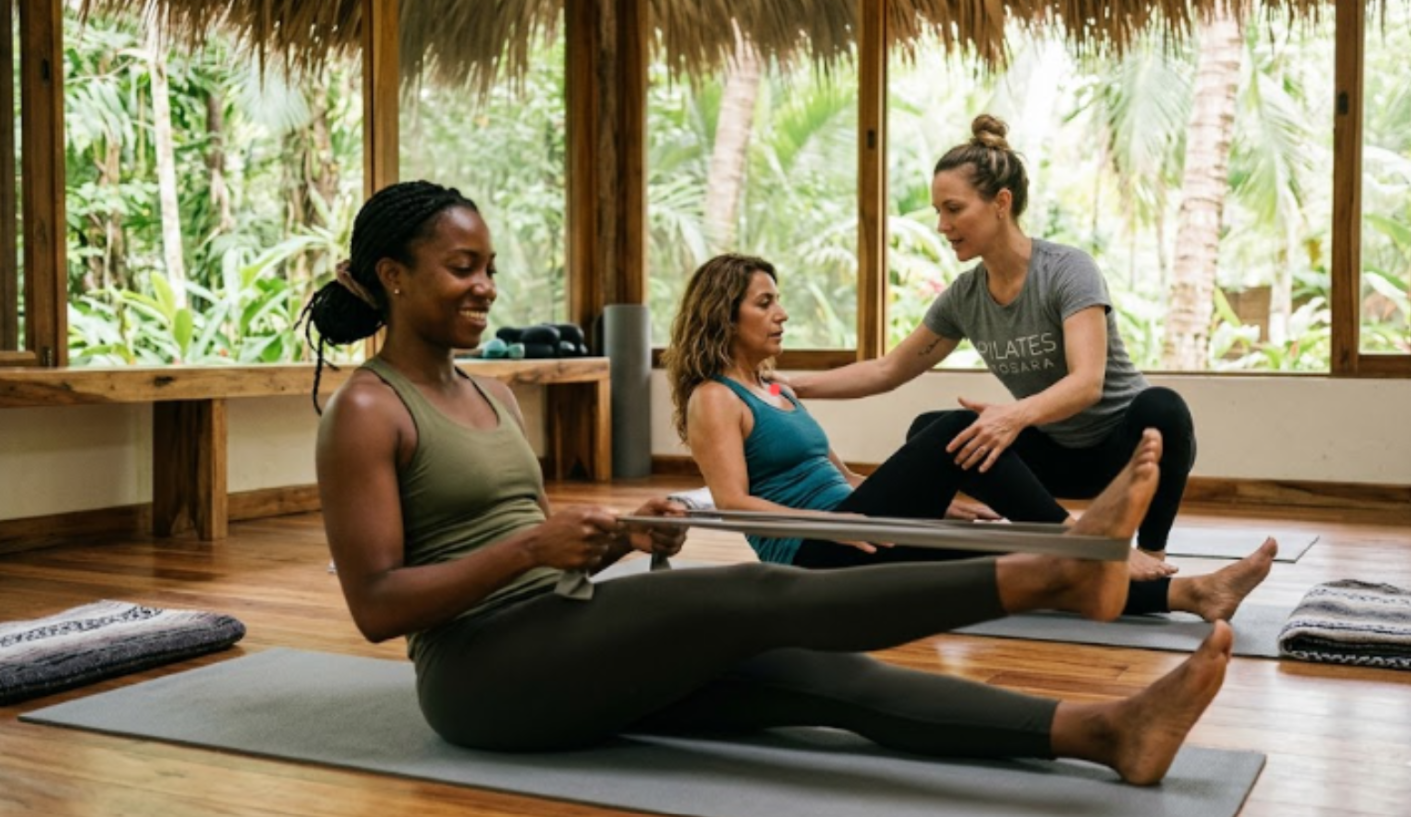
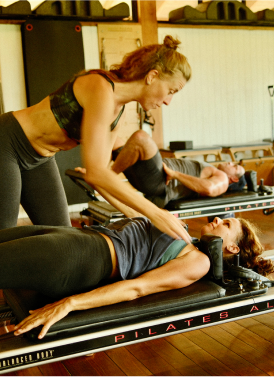
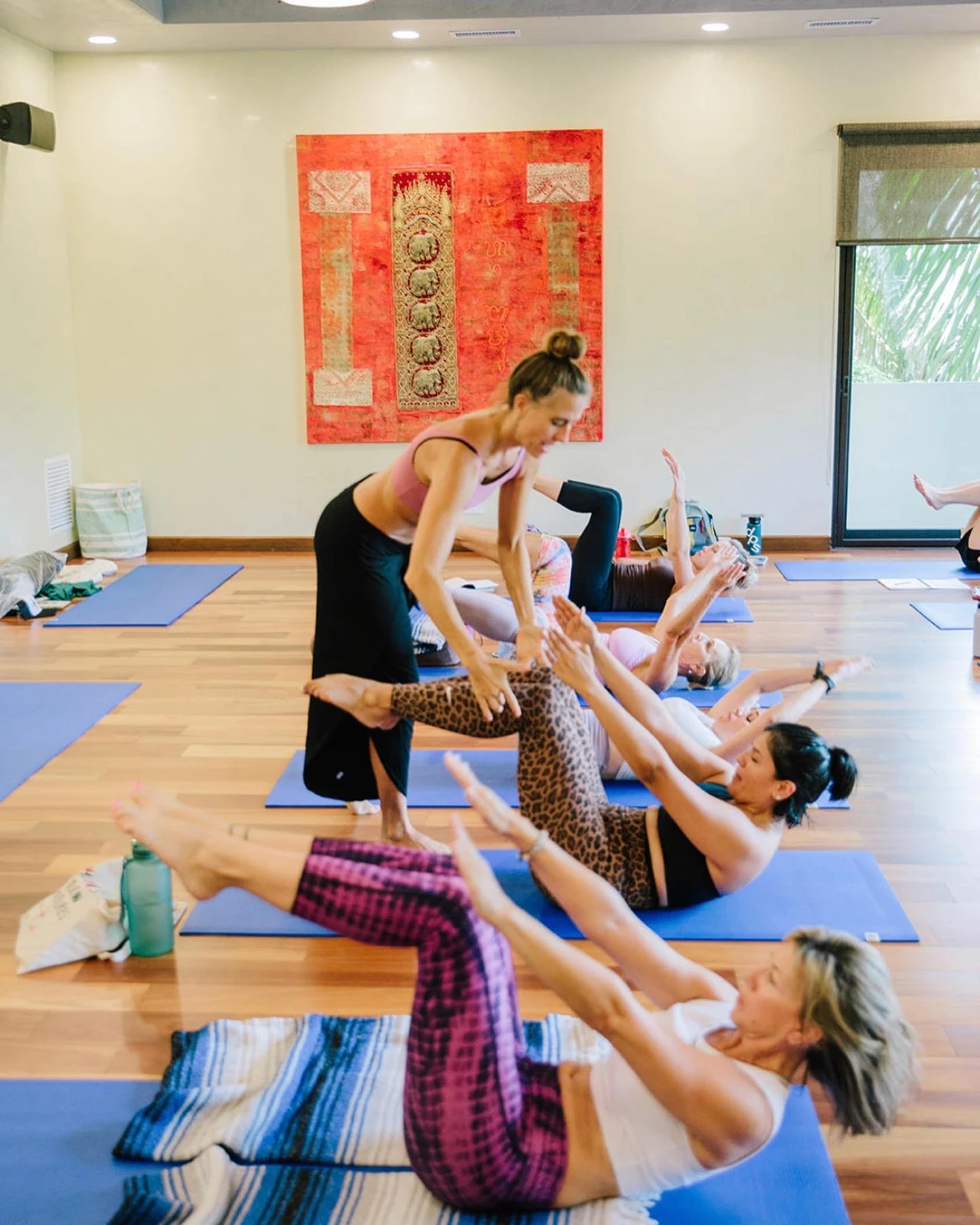
Teaching classmates in a controlled environment is useful. Teaching real students with real movement histories and real limitations is transformative. Programs that include supervised practice hours with feedback cycles from experienced mentors accelerate instructor development faster than any amount of theory alone.
3. Mentorship Not Just Instruction
Being taught exercises and being coached as an instructor are two completely different experiences. Mentorship shapes teaching confidence in a way that recorded lessons simply cannot replicate.
Programs built primarily around passive video content or self-paced modules without live feedback are a red flag for anyone serious about becoming a working instructor. A mentor watches you teach, tells you what is working, and shows you how to fix what is not.
4. Real Anatomy and Biomechanics Integration
Instructors who understand how different body types, injury histories, and physical limitations affect movement build long-term credibility with clients. When a client walks in after knee surgery and needs a modified reformer session, anatomy knowledge is not optional. Programs that treat anatomy as a box to check rather than a skill to develop leave graduates underprepared for the real diversity of bodies they will teach.
5. Business and Career Preparation
Most pilates certification programs skip this entirely, and graduates feel that gap sharply when they try to fill a schedule. Knowing how to price sessions, build a personal brand, communicate with prospective clients, and position yourself for studio hiring or independent work is not separate from teaching skills.
It is the infrastructure your teaching career runs on. Programs that include even a basic business and marketing module give graduates a measurable advantage in a competitive market.
6. Certification Recognition and Mobility
A certification that holds weight in Costa Rica should also open doors in the US, Europe, and across international wellness markets. Instructors trained at programs recognized by PMA, BASI, or other globally respected bodies can teach in destination resort towns, high-end retreats, and international studios without having to recertify from scratch. This matters especially for instructors whose career goals include retreat-based work or teaching abroad.
7. Community and Network Effect
The alumni network of a training program is a job pipeline. Studios consistently hire instructors they already know through training networks, referrals, and community connections. Isolation after graduation weakens career outcomes because the wellness industry runs on relationships.
This is exactly why Pilates Compass exists. It is a dedicated platform offering Pilates resources and a growing pool of instructors, students, and studio owners building a global community together. The network you build during and after training is one of the most underrated assets in a long teaching career.
Red Flags: When a Pilates Certification Program Is Not Worth It
The wrong program is one of the most common mistakes in Pilates, and the signs of a low-quality program are consistent enough to spot before you enroll:
- Too short: Weekend certifications compress months of necessary learning into 16 hours. The result is a certificate with very little substance behind it.
- No supervised teaching hours: If a program cannot tell you exactly how many hours you spend teaching real people under supervision, that is a serious problem.
- No real anatomy training: Anatomy should run through the entire curriculum, not appear in one standalone module that gets rushed through.
- No post-certification support: Graduation should be a beginning, not an ending. Programs that offer zero ongoing support leave instructors isolated exactly when they need guidance most.
- Certificate-only mindset: Programs that market the credential more heavily than the education behind it are telling you something important about their priorities.
- No mention of career outcomes: Quality programs talk openly about where their graduates teach, how they built their careers, and what support is available during the job search phase.
Cost vs Value: What Are You Actually Paying For
Two programs can cost the same amount and deliver completely different levels of preparation. The price tag alone tells you almost nothing about the value inside.
| Program Type | Typical Cost Range | What You Actually Get |
|---|---|---|
| Weekend Workshop | $300 to $800 | Basic exercise introduction, certificate, minimal supervised practice |
| Mat-Only Certification | $1,000 to $2,500 | Foundational mat repertoire, some anatomy, limited teaching hours |
| Reformer Certification | $2,000 to $4,500 | Equipment proficiency, moderate teaching practice, varies widely by provider |
| Comprehensive Program | $4,000 to $12,000 | Full curriculum, anatomy depth, mentorship, teaching hours, career support |
| Immersive Retreat-Based Training | $5,000 to $15,000 | All of the above, plus community, location-based experience, and network building |
The hidden value in higher-investment programs sits in mentorship access, alumni networks, job referrals, and the kind of teaching confidence that only comes from genuine supervised practice. Treating certification as an income skill rather than an expense completely reframes the investment.
A well-trained instructor charging $80 per private session recovers the cost of a comprehensive program within a few months of consistent work.
What Graduates Typically Do After a Pilates Certification Program
The career paths that open after a strong certification are more varied than most prospective students realize going in.
- Teaching in studios is the most common entry point. Boutique Pilates studios, fitness centers, and gyms hire certified instructors for both group reformer classes and private sessions. Demand in urban markets and wellness destinations stays consistently strong.
- Retreat-based work in Costa Rica represents one of the most appealing career tracks for instructors who want to combine teaching with lifestyle. Nosara, Santa Teresa, and the Southern Zone all host wellness retreats and yoga centers that need qualified Pilates instructors for residential programs, week-long retreats, and ongoing class offerings.
- Private clients offer the highest hourly income and the deepest professional relationships. Many instructors build a full-time income from 15 to 20 dedicated private clients seen multiple times per week.
- Starting small wellness businesses is increasingly common among graduates who combine Pilates instruction with personal training, nutrition coaching, or massage therapy. The pilates results clients experience, improved posture, reduced back pain, stronger core function, and better movement quality, create loyal long-term client relationships that sustain small businesses effectively.
Final Thought: A Certification Should Change Your Capability Not Just Your Resume
The instructors who become Pilates instructors worth hiring, worth booking, and worth recommending are the ones whose training genuinely changed how they see movement, how they communicate with bodies, and how they build sessions that produce results clients can feel.
A certificate on a wall is a starting point. The real transformation happens inside programs that prioritize mentorship, real teaching practice, anatomical depth, and ongoing professional development after graduation day.
Ready to train at a program that prepares you for a real teaching career and not just a certificate? Pilates Nosara‘s immersive teacher training gives you the depth, mentorship, and hands-on practice that actually build confident instructors.
FAQ
How long does a Pilates certification program take?
Mat-only programs typically run 60 to 200 hours and are completed in one to three months. Comprehensive programs covering all equipment run 450 to 600 hours and span six to eighteen months. Immersive formats like Pilates Nosara condense that timeline through full-day training structures.
Is Pilates certification worth it for beginners?
Yes, with the right program. Many strong programs accept students with six to twelve months of personal practice and no prior teaching experience. Foundation modules bring new students up to speed before the core curriculum begins. The key is choosing a program with supervised teaching hours and real mentorship, not just video content.
Can you teach Pilates internationally after certification?
Graduates from programs recognized by globally respected bodies like PMA or BASI can teach internationally without recertifying. Costa Rica, the US, the UK, and Australia all recognize these credentials. Instructors trained at Pilates Nosara carry a credential respected across international wellness markets.
What is the average cost of Pilates instructor training?
Mat-only certifications typically cost between $1,000 and $2,500. Comprehensive programs range from $4,000 to $12,000. Immersive retreat-based programs with mentorship, community, and career support can cost up to $15,000. The cost reflects the depth of education, access to mentors, and the strength of the program’s alumni network.
Do you need a fitness background to become a Pilates instructor?
No fitness background is required. A consistent personal Pilates practice, genuine curiosity about movement and anatomy, and the commitment to complete the required teaching hours are the real foundations of a successful certification journey.