Pilates vs Yoga for Weight Loss: What Actually Works?

Pilates vs yoga is something a lot of people search for when they’re trying to lose weight but don’t want to jump into intense workouts right away. Some prefer a lower-impact approach, while others look for something that feels more balanced. 

That’s where pilates and yoga come in. At first, they look almost the same. Slow movements, stretching, controlled breathing… It’s easy to assume they do the same thing. But once you actually try them, the experience is completely different.

Pilates vs Yoga: Which Helps You Lose Weight?

Pilates 

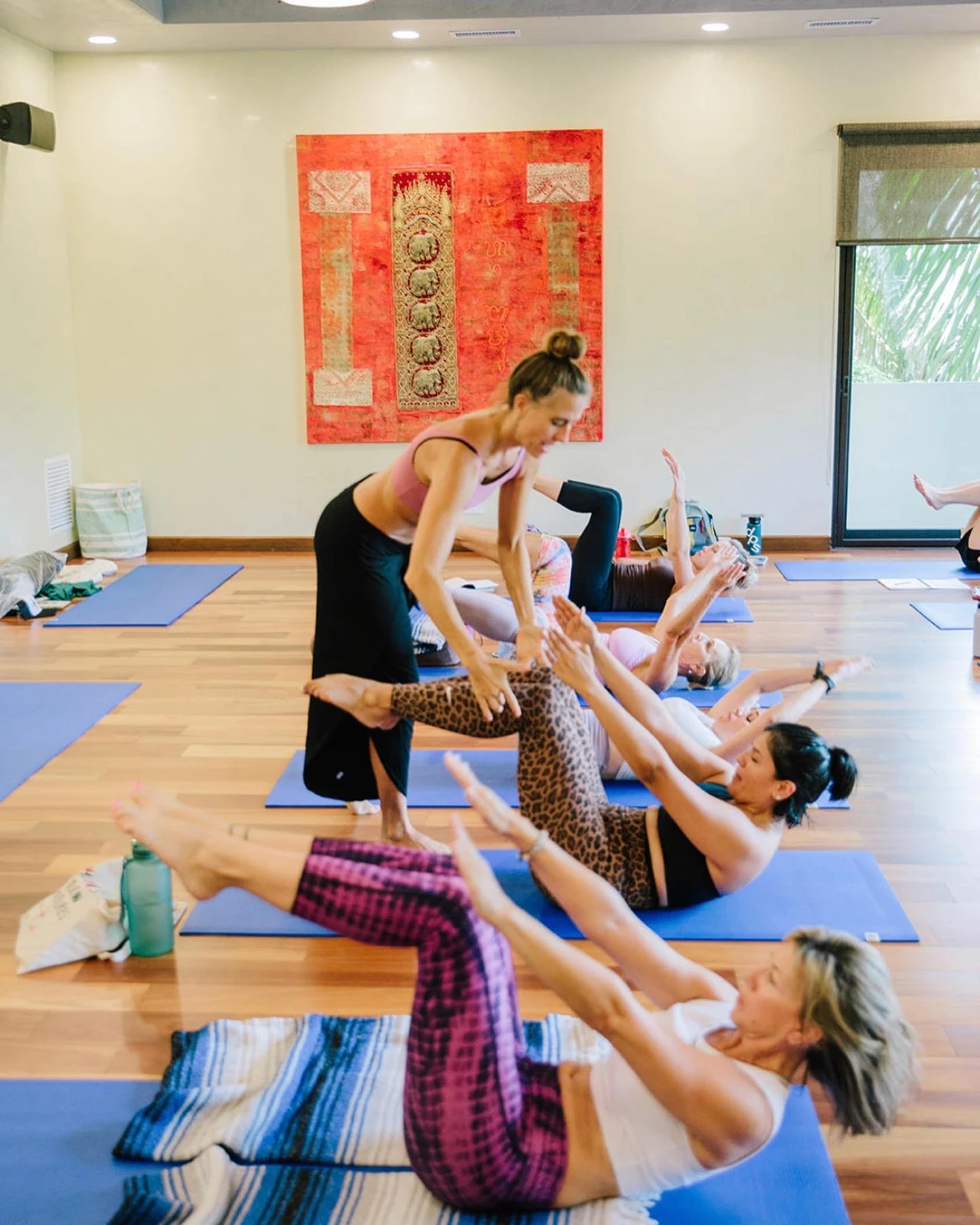
Pilates is one of those workouts that doesn’t look very intense from the outside, but once you do it, you realize how much energy it actually takes. You’re not rushing through movements. Everything is slow, focused, and very intentional. Most of the activities are around the core, but you also feel it in your legs, arms, and even muscles you didn’t know existed.

Most people don’t realize what Pilates actually does. It’s more about shaping and strengthening your body than lifting heavy weights on machines.

With regular practice, you’ll notice:

  • Your body starts to look more defined, especially around your core
  • Posture improves (you stand straighter without even thinking about it)
  • Your strength builds in a very balanced way
  • Every day, movements start feeling easier

It’s actually the kind of workout that slowly changes how your body feels over time.

Yoga

Yoga is literally a bit more flexible. Some sessions are slow and calming, where you’re mostly stretching and focusing on your breath. Other times, especially with styles like Vinyasa or Power Yoga, it can feel like a full workout where you’re moving constantly and burning fat. So if you’ve ever asked, does yoga help you lose weight, the answer is yes, but it depends on how you practice it. What makes yoga different isn’t just the movement. It’s how it affects your mindset.

Over time, yoga can help you:

  • Feel less stressed (which plays a big role in weight gain)
  • Become more aware of your eating habits
  • Stay consistent because it doesn’t feel like punishment
  • Improve flexibility and overall mobility

And honestly, that mental shift is something a lot of people don’t expect, but it ends up making a big difference. According to the National Institutes of Health, yoga helps support weight loss and a healthier lifestyle through stress reduction, better eating habits, and increased overall activity.

Key Differences of Pilates and Yoga

When people compare Pilates vs yoga, they usually focus on what they see. But the actual difference is how it feels when you’re doing it. Pilates feels more structured. You’re focusing on specific muscles, holding positions, and working on control. Yoga feels more like a flow. You move from one position to another, often connecting it with your breathing.

1. Focus

The biggest difference between Pilates and yoga is what they focus on. Pilates is mainly about making your muscles stronger, especially your tummy and core. It helps you get toned and improves your posture. Yoga, on the other hand, is more about flexibility and balance. It helps your body move easily and also calms your mind.

2. Movement Style

Pilates and yoga feel different when you do them. Pilates is slow and controlled. You hold positions and repeat exercises to work specific muscles. Yoga moves more like a flow. You go from one pose to another, often following your breath. Some types, like Vinyasa, can feel like moving meditation, both calming and energizing.

3. Calories Burned

Both can help with weight, but in different ways. Pilates gives a moderate calorie burn, and it can be higher if you do more intense exercises. Yoga’s calorie burn depends on the style. Gentle yoga is relaxing and burns fewer calories. Active styles, like Power Yoga, can give a stronger workout.

4. Mind Focus

Pilates needs you to focus on your body and how it moves, but it doesn’t focus too much on the mind. Yoga is different. It works on your mind and body together. You pay attention to your breathing, stay present, and calm your thoughts while you move.

5. Strength and Flexibility

Pilates builds strength first. Your muscles get stronger, and your posture improves. Flexibility comes with time. Yoga focuses on flexibility first. It stretches your muscles and joints, and over time, you also get stronger.

Yoga vs Pilates: Which One Burns More Calories?

The actual question is “Pilates vs yoga for weight loss, which one actually works?” The truth is, both can help you lose weight. The difference is how they do it. Pilates works more on your body composition. It builds lean muscle, and the more muscle you have, the more calories your body naturally burns throughout the day. So even when you’re not working out, your body is still working for you.

Yoga, especially faster-paced styles, helps you burn calories during the workout itself. But at the same time, it also helps reduce stress, and that can lower emotional eating and cravings. So you’re getting both physical and mental benefits.

Pilates Vs. Yoga: Quick Calorie Comparison

Workout Type Avg. Calories Burned Key Benefits
Pilates 200–350 Builds core strength, tones muscles, burns calories
Yoga 100–300 Improves flexibility, reduces stress, and strengthens the body

Ready to Start Your Pilates Journey?

When it comes to Pilates vs yoga, both are good for your body and mind. But Pilates is a great choice if you want to get stronger and tone your body. It helps you feel more confident in your movements.  At Pilates Nosara, our classes are fun and welcoming for everyone. Whether you’re new or have some experience, our mat and Reformer classes help you strengthen your core and move with control. You’ll leave every session feeling energized and confident.

Our instructors guide you step by step. You’ll always feel supported while you learn and grow. Take the first step today. See what your body can do. Join Pilates Nosara and feel the difference for yourself!

FAQs: Pilates vs Yoga for Weight Loss

1. Can Pilates alone help me lose weight?

Yes! Pilates helps you lose weight, strengthens your core, and boosts calorie burn. Pair it with good nutrition, and it’s a winning routine.

2. How fast will I see results?

With 2–4 classes a week, you’ll feel stronger and more flexible in a few weeks. Visible toning and weight loss take longer, but Pilates speeds it up thanks to muscle-building.

3. Can I do Pilates and Yoga together?

Absolutely! Pilates for strength and fat burn, Yoga for flexibility and stress relief, the perfect combo.

4. Do I need to be flexible to start?

Nope! Both Pilates and Yoga are beginner-friendly and can be adapted for any fitness level.

5. Will Pilates help reduce belly fat?

Yes! Pilates targets your core, builds lean muscle, and helps reduce fat more effectively than Yoga alone.
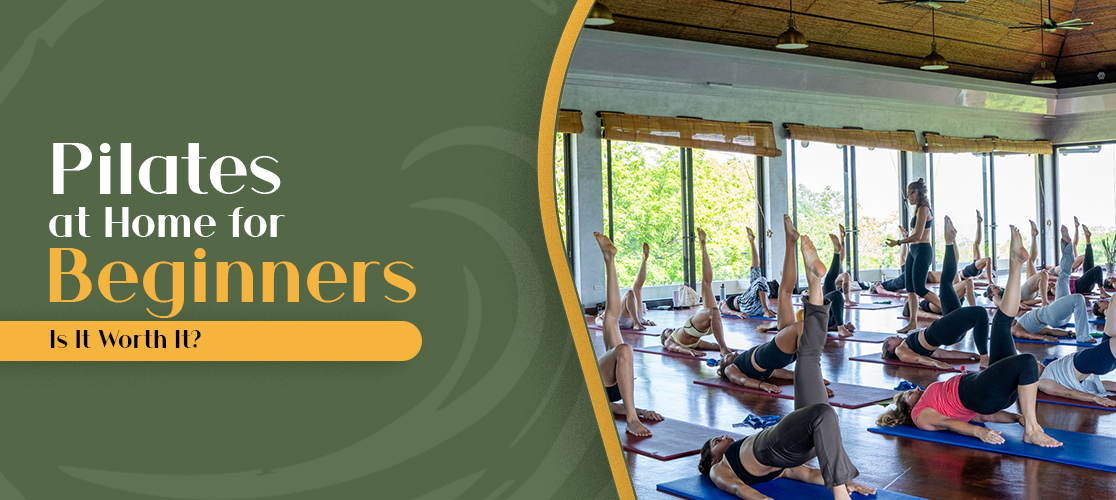
Pilates at Home Workout for Beginners: Is It Worth It?

Pilates is an amazing way to strengthen your body, calm your mind, and feel more connected from head to toe. It focuses on stability and mobility, working your core: the abs, back, and glutes, while improving posture, flexibility, and balance. If you’re just starting, Pilates at home is easy and safe for most people without injuries or chronic back pain. 

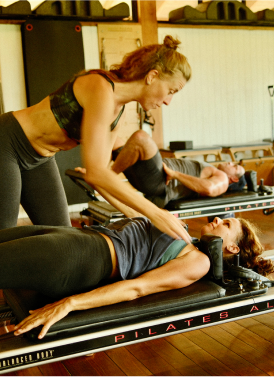
Beginners also benefit from in-person mat or reformer classes with a trained teacher, and many instructors actually encourage practicing a little at home between sessions to build strength and confidence.

Why Pilates at Home Actually Works for Beginners

Many beginners ask: “Can I really get results doing home pilates?” The answer is yes, if you approach it smartly. You can improve core strength and posture. Even short, daily sessions help activate muscles that support your spine. It reduces stress and improves mobility. And this is exactly where Pilates feels different from most workouts. It focuses on slow, controlled movement and breathing, which not only strengthens your body but also helps your mind relax. You’re not just exercising, you’re learning how to move better and feel more in control.

Another reason it works so well at home is the flexibility it gives you. You decide when to practice, how long to practice, and how your routine fits into your day. There’s no commute, no pressure, and no strict schedule to follow. It becomes something you can actually stick to, instead of something you keep putting off.

But a Pilates workout at home isn’t meant to replace studio classes completely, but it’s enough to get started, build a habit, and see small improvements that motivate you to continue further.

Step-by-Step: 10-Minute Pilates Workout for Beginners at Home

Here’s a simple routine that takes just ten minutes: no equipment needed, just a mat or a soft floor. 

1. Breathing and Awareness (Minute 1–2)

You have to lie on your back with your knees bent. Place your hands on your ribs and focus on your breath. Inhale through your nose, and exhale through your mouth, gently draw your navel toward your spine. This is the foundation of all Pilates at-home sessions.

2. Pelvic Curl (Minute 2–3)

Now just lift your hips slowly toward the ceiling, one vertebra at a time. Take a pause, then roll back down. It actually strengthens the core and stretches the spine. Even a short Pilates workout like this has noticeable benefits if done consistently.

3. Chest Lift (Minute 3–5)

In this step, place your hands behind your head. Start exhaling to lift your shoulders, keeping the neck relaxed. And inhale as you lower down. This is a kind of simple move that strengthens your abdominal muscles without putting pressure on your neck.

4. Single Leg Stretch (Minute 5–7)

This move takes 5 to 7 minutes, during which you have to bring one knee to your chest. While keeping the other leg extended. During this step, keep your lower back pressed to the mat.

5. Arm Circles (Minute 7–9)

The arm circle move can be done by sitting or standing, extending your arms, and making small forward and backward circles. This gently wakes up the shoulders and arms, showing that home pilates doesn’t have to be complicated to be effective.

6. Cool-Down Stretch (Minute 9–10)

Then, slowly stretch your arms overhead and extend your legs, taking a few deep breaths. Pay attention to your body; you may start to notice a gentle relaxation spreading through your muscles, subtle signs that tension and stress are beginning to melt away.

This short cool-down reinforces the mindfulness and body awareness step, which is the key part of any Pilates workout at home.

Is Pilates at Home Safe for Beginners?

Home Pilates workout can work for beginners, but professionals caution against relying on it entirely because of certain reasons:

  1. Risk of Incorrect Form: Pilates is precise, and subtle mistakes can lead to strain or a big injury.
  2. No Personalized Guidance: A teacher can correct posture, adjust difficulty, and ensure safety at the right moment.
  3. Limited Progression: At-home routines can become repetitive, and you might miss the full benefits of advanced techniques.

The solution is to do home Pilates to build a habit and confidence, but consider joining a professional studio for proper guidance, which can help you a lot. So, think about it.

Tips for Doing a Pilates Workout at Home Safely

These are useful and effective tips for those doing Pilates exercises at home without any professional guidance:

  1. Firstly, focus on the quality, not the quantity, of the workout. Move your body slowly and with control.
  2. Don’t be hard on yourself. Ten minutes is more than enough if you are doing a pilates workout in the right way.
  3. Always modify when needed. Just remember, pain is not a goal; discomfort is okay, but sharp pain is not.
  4. Consistency is the key. Stay consistent with your workout routine; daily mini-sessions work better than sporadic long workouts.

Take Your  Home Pilates Workout Practice Further

Doing Pilates at home is a fantastic way to get started, but it’s normal to hit a point where guidance can make a big difference. Pilates is all about precision. Small mistakes in posture, breathing, or alignment can go unnoticed when you’re practicing alone, and over time, that can slow your progress or even create discomfort.

That’s why many Pilates experts suggest mixing home practice with some professional guidance. In a studio or with a trained pilates instructor, you get live feedback, tips to improve, and support that helps you progress safely. Whether your goal is better posture, stronger core muscles, or simply feeling more comfortable in your body, having that guidance can make your practice more effective.

If you’re looking for that extra support while keeping the comfort of home practice, Pilates Nosara offers expert-led mat pilates sessions designed to help beginners improve safely and confidently. This way, your at-home workouts truly become a step toward real results, without feeling overwhelming or risky.

FAQs 

Q: Can you really do a Pilates workout at home with no experience?

Yes, even beginners can get results with short, mindful Pilates at-home routines.

Q: How often should I do a beginner 10-minute workout?

Daily practice works best to make your Pilates workout at home effective.

Q: Do I need any equipment?

No. These mat-based exercises allow you to practise pilates with no extra equipment.

Q: Will Pilates improve my posture?

Absolutely, regular practice strengthens your core and improves posture over time.

For more information, read our guide Pilates for Back Pain: Can It Really Improve Your Posture?

Q: Are online classes as effective as in-studio sessions?

They can be, especially when taught by certified instructors alongside home practice.

Become A Part Of Our Paradise

Become 1
Become 2
Become 3
Become 4
Become 5
Chantelle Koutsantonis - Pilates Nosara
Path To Paradise