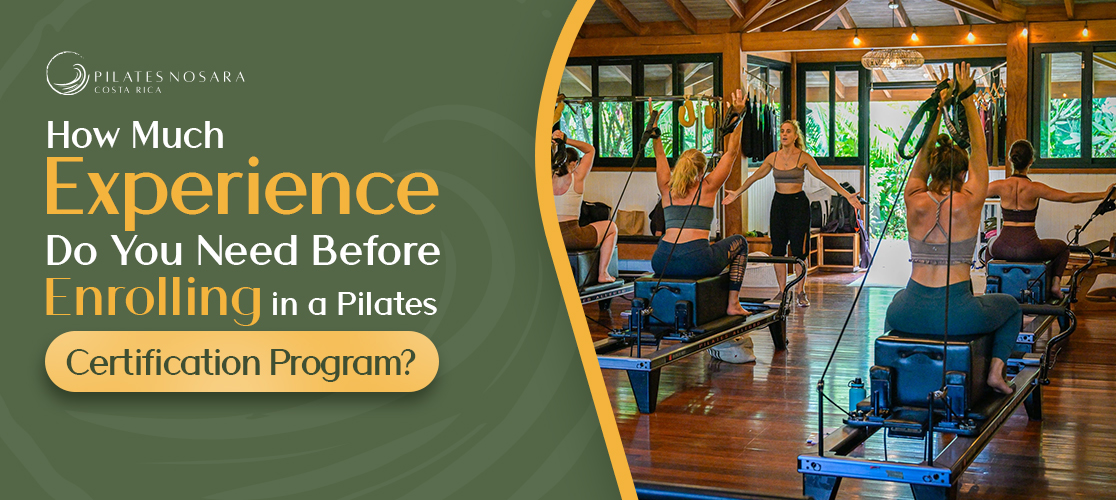
How Much Experience Do You Need Before Enrolling in a Pilates Certification Program?
You do not need years of teaching experience or even years of practicing Pilates to start a Pilates certification program.
Many aspiring instructors assume they must master advanced movements, spend years in studios, or already work in fitness before they qualify for pilates instructor training. In reality, most people who start a comprehensive pilates course begin with interest, consistency, and a willingness to learn, not professional credentials.
If you’ve been wondering whether you’re “experienced enough,” this guide will help you understand what programs actually expect, how long it takes to become a pilates instructor, and how to know if now is the right time to start.
Do You Need Any Professional Experience?
Most programs offering a pilates certification are designed to teach you how to teach. That means they do not expect you to arrive as an expert. For many people, having regular exposure to classes and a basic understanding of movement is more than enough to step into certified pilates instructor training.
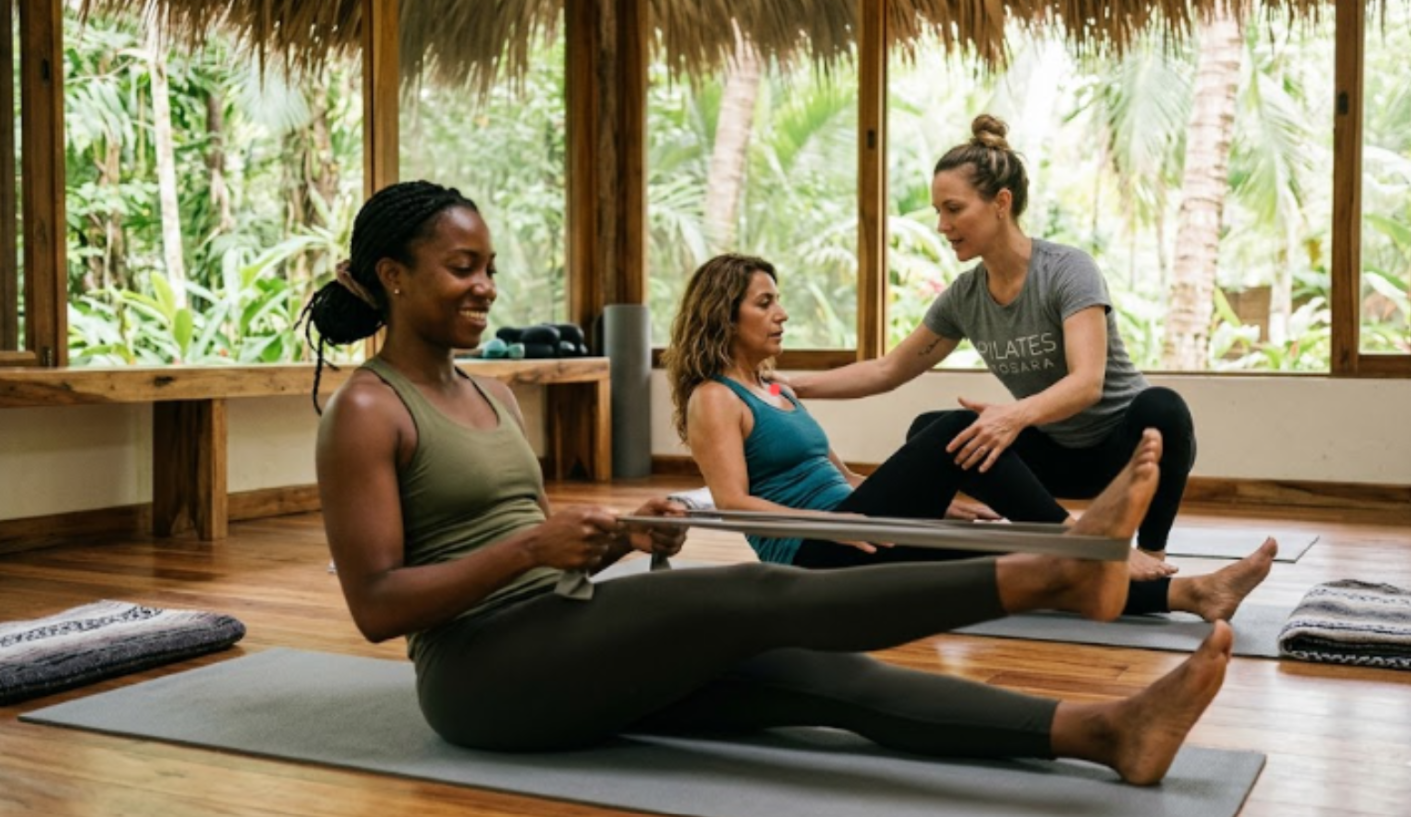
Instead of testing what you already know, high-quality pilates teacher training focuses on building your skills from the ground up:
- Pilates principles and core foundations
- Anatomy, biomechanics, and body awareness
- Exercise sequencing and smart class design
- Verbal cueing and effective communication
- Hands-on adjustments and real-world teaching techniques
The goal of your initial pilates certification course isn’t to prove you already know everything. The goal is to build the actual skills required to become a trusted, competent, and certified pilates instructor.
Expert Insight: If you want the most universally respected credentials, look for a program offering Balanced Body education. As a global leader in movement science, Balanced Body certifications are recognized worldwide and set the industry benchmark for safety, modern biomechanics, and teaching excellence. To make earning this premier credential simple and stress-free, Pilates Nosara hosts fully accredited Balanced Body Teacher Training modules at our jungle sanctuary in Costa Rica.
What Experience Should You Have Before Starting?
While professional credentials aren’t required, having a baseline familiarity with the practice keeps you from feeling overwhelmed when becoming a pilates instructor. Experience helps, but it doesn’t always look the same:
1. Personal Pilates Practice (Most Helpful)
The best starting point is becoming familiar with Pilates through consistent personal practice. You do not need years of it. Ask yourself: Have I taken classes consistently? Do I understand the basic movements? If you answered yes, you have enough of a foundation to enroll in a pilates course.
2. Fitness or Wellness Background (Optional)
Some students enter certified pilates teacher training after working in personal training, yoga, dance, group fitness, or physical therapy. This experience can give you a head start on anatomy, but it is absolutely not required. Many people manage to successfully become a pilates instructor with zero prior fitness background.
3. Teaching Experience (Nice to Have, Not Required)
Teaching confidence develops during your training. You will learn how to guide clients, give corrections, and structure sessions. You do not need to arrive knowing how to coach; you just need a willingness to learn.
How Long Does It Take to Get Pilates Certified?
A common misconception is that certification equals one quick weekend course. In our experience guiding trainees through this process, quality pilates teacher training requires a dedicated blend of coursework, movement practice, observation hours, and student teaching.
If you are trying to map out your timeline, you might find yourself asking a few variations of the same question. The timeline ultimately depends on the specific path you choose:
- How long does it take to be a pilates instructor? If you focus purely on a Mat certification, it can take several weeks to 3 months (100 – 150 hours).
- How long to become a pilates instructor? For a full Comprehensive track (covering Mat, Reformer, Tower, and Chair), expect 6 months to over a year (450 – 600 hours).
- How long does it take to get a pilates instructor certification? A flexible, part-time training format varies widely and is entirely self-paced, which is ideal for working professionals.
- How long does it take to get pilates certified? It ultimately depends less on your prior background and much more on your weekly consistency in accumulating your required observation and student teaching hours.
Pilates Instructor Training Cost: What Should You Expect?
Cost is another major factor to consider before committing to a pilates certification course. Because programs vary widely in depth, the overall financial investment changes based on what you want to teach.
| Certification Type | Focus Area | Estimated Pilates Instructor Training Cost |
|---|---|---|
| Mat Program Only | Floor work, core foundations, group formatting | $300 – $900 |
| Apparatus Single Track | Specific equipment (e.g., Reformer training only) | $1,000 – $2,500 |
| Comprehensive Program | Full studio setup (Mat, Reformer, Cadillac, Chairs) | $3,500 – $6,500+ |
Tip: Investing in an all-inclusive, premium pilates certification ultimately saves you money and prepares you to graduate with true professional confidence.
What to Look for in a Pilates Training Program
One of the biggest reasons people postpone training is believing confidence must come first. In reality, confidence is a byproduct of guided practice. Finding a supportive learning environment matters much more than arriving with advanced skills.
Before choosing a program, look beyond the upfront pilates instructor training cost or the certification title and ask:
- Is this curriculum truly beginner-friendly?
- Will I receive real, hands-on teaching practice?
- Is mentorship actively available during the training?
Many new instructors discover that earning a piece of paper and actually feeling ready to lead a room are two very different things. That is why choosing a program focused on deep education rather than just checking off boxes is critical.
At Pilates Nosara, we provide fully accredited Balanced Body Teacher Training. Hosted as an immersive retreat in the peaceful jungle of Costa Rica, our curriculum allows you to completely focus on your training without the distractions of daily life. You can check out our complete line-up of intensive modules on our Teacher Training Programs page to choose the track that fits your career goals.
What Happens After Certification? (The Part Most People Don’t Talk About)
Getting certified is exciting, but then comes the moment many new instructors quietly struggle with: “Okay… now I actually have to teach real clients.”
This transition period is where many new teachers suddenly feel unsupported. Think of certification as earning your map; ongoing mentorship is how you actually learn to navigate the terrain. To bridge this gap, look for post-certification networks that offer continuing education in anatomy, cueing adjustments, and business building, or join an established industry registry like the Pilates Method Alliance to stay connected to professional advocacy, global teaching standards, and continuing education resources as you grow.
This specific need is why platforms like Pilates Compass exist. They provide an ongoing instructor community, class planning tools, and continued mentorship designed to support teachers after graduation, ensuring you never have to navigate your new career alone.
Signs You’re Ready to Enroll
Let’s be honest: nobody ever wakes up feeling 100% ready. Instead, readiness usually looks like a mix of excitement and a little bit of nervous energy.
You are ready to enroll if:
- You Genuinely Love the Practice: It’s a highlight of your week.
- If You’re Curious: You want to know why a movement works, not just do it.
- You Like Helping People: You enjoy watching others succeed and feel good.
- If You’re Willing to Learn: You don’t need a perfect teaser or an anatomy degree; you just need to show up.
Avoid these common mistakes:
- Waiting Until You Feel “Advanced”: Most instructors never feel 100% ready before they begin.
- Choosing Based on Tuition Alone: The lowest cost of Pilates teacher training rarely creates the strongest teaching foundation.
- Rushing the Process: Strong instructors build their knowledge and eye for movement over time.
You are likely ready to enroll right now if you genuinely enjoy Pilates, want a deeper understanding of movement mechanics, enjoy helping people, and are willing to practice consistently. You do not need perfect form, and you do not need to wait until you feel like an expert.
Final Thoughts: Don’t Wait Until You Feel Like an Expert
The biggest misconception about entering Pilates instructor training is believing you need a lifetime of experience before you begin. You don’t. You need curiosity, consistency, and a training program that teaches you how to see and change bodies.
The strongest instructors are rarely the ones who waited the longest to start. They are the ones who jumped into a Pilates certification course, practiced intentionally, and stayed connected to a supportive instructor community and mentorship as they grew. The question is not whether you are already an expert; it is simply whether you are ready to learn.
Frequently Asked Questions
What certification do you need for Pilates?
No legal license is required, but studios require a verified certificate to hire you. You can choose a Mat Certificate (floor work, 100–150 hours) or a Comprehensive Certificate (full studio apparatus like the Reformer, 450–600 hours).
What is the best Pilates certification to get?
The best certifications are globally recognized and NPCP-approved. Balanced Body is the top contemporary choice (used by premier sites like Pilates Nosara).
How do I become certified in Pilates?
Enroll in a training program, complete the lecture modules, and log your required hours of self-practice, studio observation, and student teaching. You officially graduate after passing a written theory exam and a live practical teaching test.
Is a Pilates certification worth it?
If you are interested in expanding your wellness knowledge, changing careers, or building a long-term path in movement education, a comprehensive pilates certification creates professional studio opportunities that personal practice cannot.
Related Resources
A Thousand Different Bodies In A Lifetime
A thousand different bodies in a lifetime. A teacher in training once said that she has learned so much through her thousand different…

Pilates Training Benefits for Climbing
Conquer Your Limits with Pilates: Jenni’s Journey to Climbing Mount
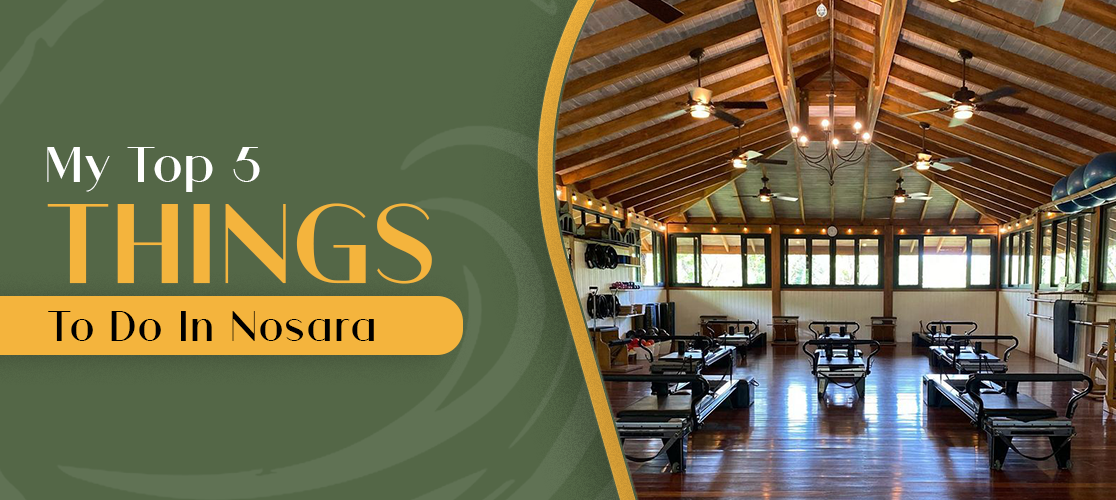
My Top 5 Things To Do In Nosara
Are you wondering how to plan the perfect trip to Nosara? Scroll down to see my list