How Much Can a Pilates Instructor Make Amid Recent Industry Regulation Calls?
The global Pilates industry is experiencing a massive, quiet reckoning. On one hand, influencers are leading the fitness boom, drawing in thousands of followers eager to turn their passion into a full-time career. On the other hand, a much more serious conversation is exploding behind studio doors: urgent, sweeping calls for strict regulation over Reformer Pilates instruction.
The message echoing across the pilates horizon is loud and clear. The era of the unregulated, low-barrier fitness hustle is ending. As major regulatory bodies and health advocates push for strict operational oversight, a definitive line is being drawn between superficial, fast-track “weekend certifications” and truly legitimate movement educators.
If you are looking ahead and wondering, “How much can a Pilates instructor make?”, you must understand the new market reality. Your paycheck is now tied directly to the depth of your research and training choices. A generic, unaccredited certificate will no longer protect your career. To thrive in today’s competitive industry, you need to know exactly what separates a dead-end shortcut from a secure, high-yield professional future.
The Great Divide: “Weekend Scams” vs. Formal Pilates Instructor Trainings
The massive call for industry regulation isn’t random. It is a direct response to a dangerous trend: the fast-track, 16-to-40-hour online certificate. These low-cost programs mint “instructors” who are taught how to copy choreography on a screen but are left completely blind to human biomechanics, skeletal joint load, and safety.
If you hold a generic, unaccredited certification, your long-term career outlook is rapidly approaching zero. High-yield boutique studios can no longer afford the insurance premiums or liability risks associated with under-trained staff.
Understanding the Liability of a Quick Shortcut
In a standard gym setting, poor coaching might mean a sloppy workout. On a heavy studio apparatus, poor coaching results in severe structural injuries. True movement education requires a deep understanding of structural alignment, which cannot be learned in a single weekend seminar or from pre-recorded video loops. To command top-tier compensation, your education must align with verified global standards.
The True Architecture of a Balanced Body Education
A legitimate, internationally recognized training path, like the Balanced Body curriculum offered through Pilates Nosara, demands a dedicated commitment to fundamental mastery before you ever teach a paying client. This complete educational track is built around clear, non-negotiable phases:
The Mandatory Foundation
Aspiring educators cannot bypass the human body. Legitimate tracks require an intensive Applied Anatomy & Biomechanics course as an absolute prerequisite before starting physical training. True movement educators do not teach choreography; they analyze muscle insertions, joint mechanics, and common postural deviations.
The Core Curriculum Breakdown
Comprehensive preparation requires progressive mastery across separate, intensive modules. A standard-setting curriculum focuses on deep immersion into Movement Principles alongside Mat modules.
The Full Apparatus Track
Beyond the floor, true professional stability requires comprehensive repertoire mastery across the entire studio ecosystem, including the Reformer, Cadillac (Trapeze Table), Chair, and Barrels. This physical trade requires a massive investment of structural hours, including direct lecture, observation, self-practice, and supervised instructor teaching.
The Value of Real-World Practice Over Theory
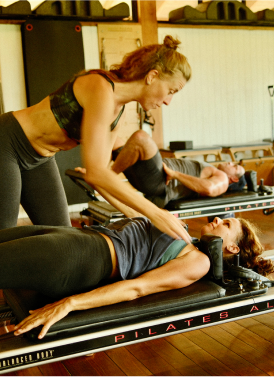
A certificate earned on paper means nothing without real-world application. Elite training centers separate themselves from fast-track scams by enforcing on-site, immersive learning environments. This includes intensive, multi-week technical lectures, hours of dedicated self-practice, guided observation, and hands-on teaching practice with real feedback.
When you learn to adjust language for different learning styles, deliver precise tactile corrections, and program for diverse body types, you shift from a basic trainer to a high-earning movement specialist.
Financial Realities: The Income Gap Between “Certified” and “Qualified”
When evaluating your educational investment, it is vital to recognize that training costs are not an expense; they represent your financial floor. The income gap between a short-term certificate holder and a comprehensively trained teacher is massive.
The reality of how compensation scales across the industry highlights the value of proper training:
| Qualification Tier | Total Educational Investment | Typical Hourly Pay Range | Expected Annual Career Yield |
|---|---|---|---|
| Fast-Track / Weekend Certificate | 16 – 40 Hours (Zero Anatomy Pre-reqs) |
$15 – $22 /hour (Basic big-box gym floors) |
$0 – $25,000 (High studio rejection & turnover) |
| Comprehensive Mat & Reformer | 200 – 300 Hours (Basic Biomechanics) |
$35 – $55 /hour (Boutique group classes) |
$45,000 – $75,000 (Stable studio placement) |
| Full Comprehensive / Balanced Body | 500+ Hours (Advanced Anatomy & Apparatus) |
$65 – $120 /hour (Privates & Clinical Rehab) |
$85,000 – $130,000 (Elite Tier & Studio Directors) |
Why a Speedy Certification Will Fail in the Near Future?
The tightening circle around unaccredited courses isn’t a temporary trend; it is a permanent shift driven by commercial insurance realities. As boutique fitness scales, insurance providers are facing a sharp increase in liability claims stemming from fast-track studio formats. To protect their margins, insurers are quietly rewriting their underwriting policies.
Within the next few years, commercial studio insurance will mandate that all teaching staff hold a verifiable credential from a globally recognized organization. If your resume lists a speedy weekend course, a studio owner will not be able to legally clear you to teach on their floor.
Investing in a shortcut program today means spending capital on an asset that is actively expiring. Conversely, committing to a comprehensive, multi-hundred-hour track builds immediate career immunity.
When you are fully qualified to manage specialized private clients, program complex equipment safely, and satisfy commercial insurance audits, you become a highly protected asset. You aren’t just looking for a job; you are positioning yourself at the very top of the industry’s earning brackets.
Tips to Maximize Your Pilates Instructor Training
Completing a rigorous, comprehensive teacher training program requires immense discipline and a proactive approach to your education. Here’s how to gain the maximum advantage of your Pilates teacher training program, along with your Instructor’s assistance and guidance.
1. Master Your Movement Progressions Visually
Because you cannot interrupt a live session to ask questions, studying exercises independently is vital to understanding the repertoire. Subscribing to the Pilates Compass web app grants you on-demand access to an extensive video library and detailed exercise breakdowns created specifically for emerging teachers.
2. Deconstruct the Science of Structural Cueing
A great instructor doesn’t just read from a script; they use precise verbal and tactile language to modify movements for diverse body types. By utilizing the app’s comprehensive cueing details, you can study the underlying biomechanics of each sequence and learn exactly how to adapt your language for real-world clients.
3. Plan Engaging Audition Classes Fluidly
Entering the job market requires you to deliver confident, seamless audition classes for studio directors. Pilates Compass features intuitive, drag-and-drop class planning tools alongside curated playback music tracks designed to help you organize your creative flow and match the energy of any studio floor.
4. Build a Lifelong Professional Support Network
The transition from a student trainee to a paid professional can feel incredibly isolating without a dedicated community. The platform instantly connects you to a global mentorship forum of instructors from all training lineages, ensuring you have career-building business guidance long after your formal modules conclude.
Bottom line: Investing in a premium education is the right first step, enabling you to deliver quality sessions. By integrating your training with authentic Pilates teaching resources, you can elevate your skills and hourly pay with professional confidence.
Final Thoughts
The financial outlook for a Pilates instructor is exceptionally bright, provided you bypass the shortcuts. Entering the field with a weekend certificate puts your career on a fast track to zero stability. Sustainable results require a balanced approach, a deeper understanding of human anatomy, and a commitment to a legitimate educational framework.
If you want to build an enduring career, protect your capital by choosing an accredited path that respects the deep physical trade of the method. Invest in a comprehensive education that protects your clients, satisfies impending regulatory standards, and locks in your long-term earning potential. How much can a pilates instructor make is directly related to how much they invest, both time and money.
Frequently Asked Questions
How much can a Pilates instructor make in 2026?
Wages depend heavily on education and setting. Fast-track instructors earn near minimum wage ($15–$22/hour), while comprehensively trained specialists operating under recognized frameworks command $65 to $120+ per hour for private clients and mind-body-spirit sessions.
Why are there regulatory calls for Reformer Pilates right now?
The explosive growth of boutique fitness has flooded the market with short-term, unaccredited weekend courses. The resulting lack of anatomical knowledge has caused a visible rise in client injuries on complex apparatus, prompting studio owners and insurance providers to demand stricter education requirements.
Is the Balanced Body certification widely recognized?
Yes. The Balanced Body framework is globally revered across both commercial studios and clinical physical therapy environments. It is considered an elite asset for instructors seeking employment in highly competitive, high-paying markets.
Can you complete a comprehensive teacher training program online?
No. While theoretical components like anatomy lectures and history can be studied through digital modules, mastering physical spotting, apparatus mechanics, and hands-on adjustments requires intensive in-person labs and supervised apprentice teaching hours.
Related Resources
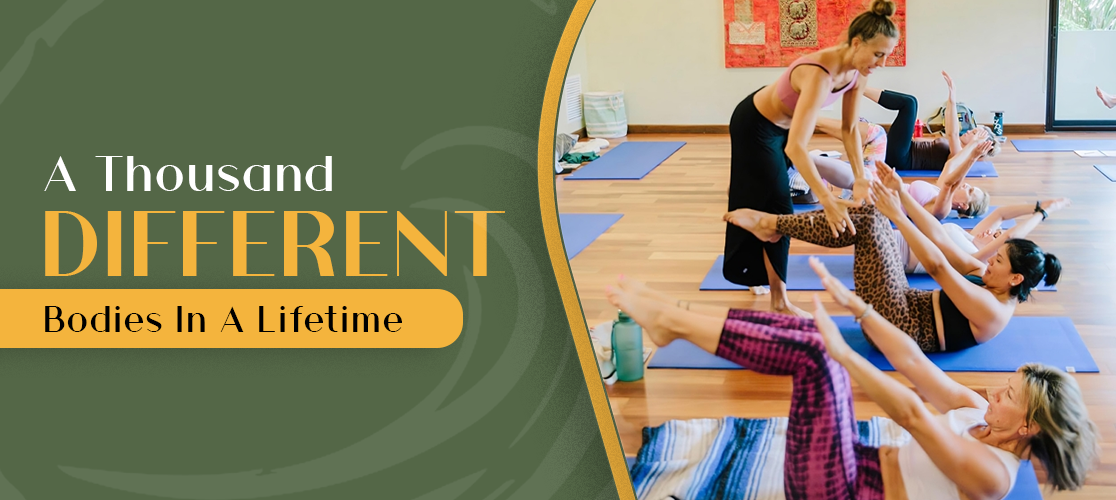
A Thousand Different Bodies In A Lifetime
A thousand different bodies in a lifetime. A teacher in training once said that she has learned so much through her thousand different…

Pilates Training Benefits for Climbing
Conquer Your Limits with Pilates: Jenni’s Journey to Climbing Mount
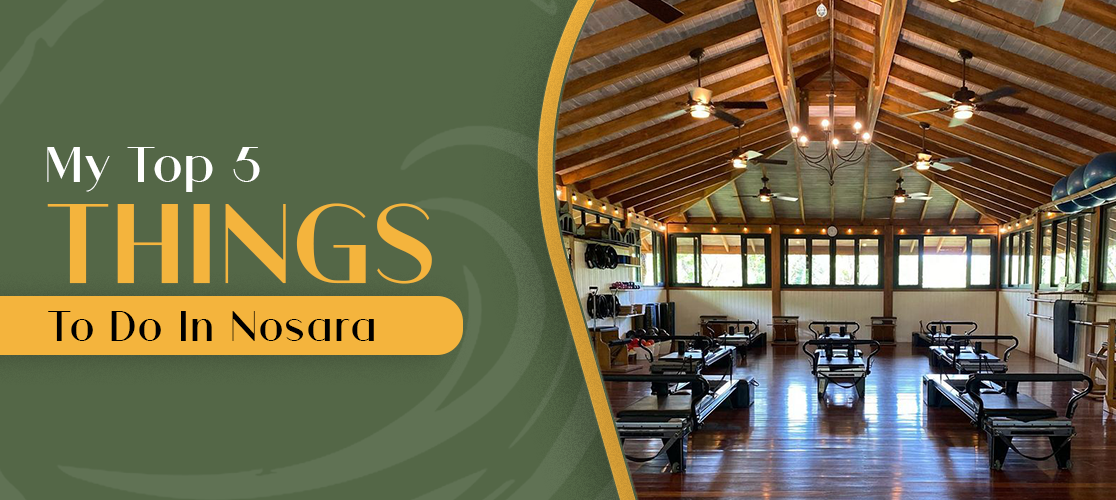
My Top 5 Things To Do In Nosara
Are you wondering how to plan the perfect trip to Nosara? Scroll down to see my list