Is Pilates Good for Injury Recovery? Benefits, Exercises & What to Expect
We often hear “just take complete rest” after an injury. And yes, that does help the tissues heal. But staying in that phase for too long can also leave the body feeling stiffer and weaker.
At that point, it’s only natural to start wondering, when is it actually okay to begin moving again? And can something like Pilates help, or make things worse?
To answer that, we’re bringing in what we’ve seen over the years working with people at different stages of recovery.
In this guide, we’ll share when it’s okay to start gentle movement, when it’s better to give your body more time, and what type of Pilates works best depending on your condition and stage of healing.
Why Pilates Is Effective for Injury Recovery
When you hurt your shoulder, back, knee, or other muscle and joints the pain rarely stays to one place. It often disrupts the entire muscle chain connected to that area. It change how you move, walk, sit, and reach. Suddenly, your body is in a state of “chaos”. Some muscles have completely stopped functioaning, while others are working double-time to make up for them. Over time, this creates imbalance in the body, which can slow down recovery and even lead to new discomfort.
That’s where Pilates can make a real difference. Instead of pushing the body into full-range movement too soon, Pilates focuses on controlled, targeted activation, especially in the muscles that have stopped doing their job. The goal isn’t to “stretch everything,” but to restore balance, stability, and proper movement patterns.
When guided correctly, Pilates starts with the areas that need the most support and gradually builds strength from there. As those muscles begin to function the way they’re supposed to, the body starts to feel more stable, more aligned, and less reactive to movement.
That’s often when people notice a shift, not just less pain, but more confidence in how their body moves again.
What Types of Injuries Can Pilates Help With?
Just as you wouldn’t take the same medication for every illness, you cannot apply the same Pilates routine to every injury. Recovery is personal, and your path to healing must be specific to your body’s needs.
At Pilates Nosara, we specialize in targeting the root cause of discomfort. Below are the most common conditions we help our clients recover from using the precision of the Pilates method:
Back Pain & Spinal Injuries
Back pain is arguably the most common issue we see in the studio. You’ve likely tried everything to manage it, from cooling gels and creams to obsessing over your sleeping position. But while those remedies might offer temporary relief, they rarely address the root cause. Most back and spinal discomfort isn’t just about the spine itself; it’s about the muscles surrounding it.
When your core stabilizers “go to sleep”, often due to desk work, lack of movement, or past injuries, they stop doing their job. This forces the muscles around them to work double-time to compensate. Eventually, those hardworking muscles become exhausted, tight, and painful. This is the “pressure cycle” that keeps your back feeling locked up and sore.
Knee Injuries
When your knee hurts, it’s natural to focus all your attention on that one joint. But as movement experts, we look at the surrounded muscles. Your knee is like a bridge between your hip and your ankle. If your hip muscles are weak or your ankles are stiff, the knee has to absorb all the shock from every step you take.
Pilates doesn’t just “rub the sore spot.” We strengthen the glutes and thighs to create a natural “brace” for the knee. By training your hips to carry their fair share of the load, the pressure on your knee joint drops, allowing the inflammation to settle and the tissues to heal.
Shoulder Injuries
The shoulder is the most mobile joint in your body, it can move in almost every direction. But that freedom comes at a price: it’s very easy to become unstable. Most shoulder pain happens because the small muscles around your shoulder blade (the “scapula”) have stopped functioning properly.
Instead of just lifting heavy weights, Pilates focuses on re-education. We target those tiny stabilizer muscles that keep your shoulder “holds” in the right place. By improving the connection between your upper back and your arm, we restore smooth, “gliding” movement.
Post-Surgery Recovery
After surgery, you are in a delicate tug-of-war. If you move too much, you risk irritating the surgical site. If you don’t move enough, you deal with painful stiffness.
Pilates is the perfect safe middle ground. Because it is low-impact, we can rebuild your circulation and mobility without the jarring force of traditional gym workouts.
Sports Injuries
Most sports injuries aren’t “accidents” they are the result of tiny imbalances that have been building up for months. Even after the initial pain of a strain or tear goes away, those “bad habits” in your movement remain.
We use Pilates to “audit” your movement. We find the weak links in your chain maybe a tight hamstring or a lazy core and fix them. By correcting these patterns, we don’t just get you back on the field; we make you a better athlete than you were before the injury.
What Type of Pilates Is Best for Injury Recovery?
Sometimes a choice for Pilates is a straight decision, but the quest for a perfect match is tough. Not anymore! We put our years of experience on the table to help you. Below, we share a guide to the different paths you can take for your needs.
| Type of Pilates | Best For… | Why it Works for Injuries |
|---|---|---|
| Clinical Pilates | Medical diagnoses (Scoliosis, Herniations). | It offers close supervision and exercises for your exact injury. |
| Reformer Pilates | Joint pain and muscle weakness. | Springs act as extra muscles to support your weight and remove strain. |
| Mat Pilates | Long-term stability and core strength. | It uses your own body weight to build a shield for your spine. |
When Can You Start Pilates After an Injury?
The time for Pilates to do depends entirely on the “Acute Phase” of your injury.
- The 72-Hour Rule: For the first 3 days, rest is usually best to let swelling go down.
- The “Clearance” Phase: Once your doctor says you can perform “activities of daily living” (like walking or light reaching) without sharp pain, you are usually ready for a modified Pilates session.
Pilates vs. Physical Therapy: What’s the Difference?
| Feature | Physical Therapy (PT) | Pilates for Recovery |
|---|---|---|
| Primary Goal | Clinical repair and basic function. | Full body balance and long-term strength. |
| Focus Area | The specific site of your injury. | The entire muscle chain and core. |
| Tool Kit | Manual therapy, ultrasound, and heat. | Springs, gravity, and breath control. |
| Phase of Care | Best for acute pain and post-op care. | Best for transition to health and fitness. |
| Outcome | Restoration of a single joint or limb. | A resilient body with better posture. |
FAQs
Is Pilates better than physiotherapy?
Pilates is ideal for the treatment of injuries that are related to the muscles. However, physiotherapy is for acute pain or fresh trauma. So for long-term strength, maintenance, functional movement, and injury prevention, Pilates is a better option.
Can Pilates make injuries worse?
If you do Pilates under expert supervision, like at Pilates Nosara, there is a minimal risk to your health. A “bad” result only occurs when you try moves without a correct grasp of your injury. If you move with the wrong posture or too much force, you can cause a flare-up.
Is Pilates Safe for Injury Recovery?
Yes, Pilates is safe for injury recovery if you follow the lead of an expert. The risk only appears when you move without a guide or with poor form.
Start Your Recovery Journey with Pilates Nosara
Injuries are a common part of daily life. However, a long wait for health is not necessary when Pilates is here to help. You do not have to stay in pain for months. All you need is the correct path for your body.
If you do not know where to start, reach out to Pilates Nosara. We inspect your injury and study your movement patterns. Then, we create a plan to wake up your core and protect your joints.
Do not let a stiff body or a weak muscle hold you back. Let us help you move with joy and confidence again.
Related Resources
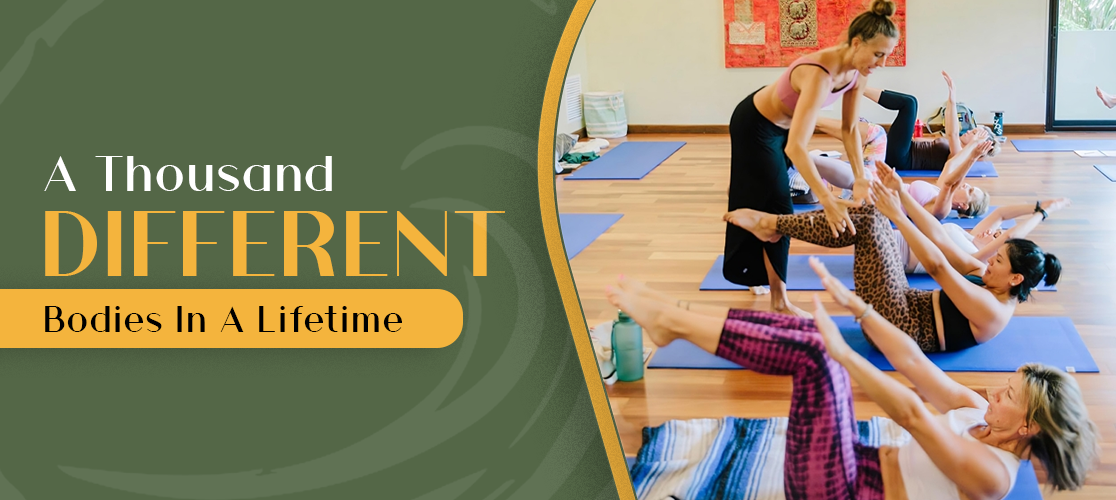
A Thousand Different Bodies In A Lifetime
A thousand different bodies in a lifetime. A teacher in training once said that she has learned so much through her thousand different…

Pilates Training Benefits for Climbing
Conquer Your Limits with Pilates: Jenni’s Journey to Climbing Mount
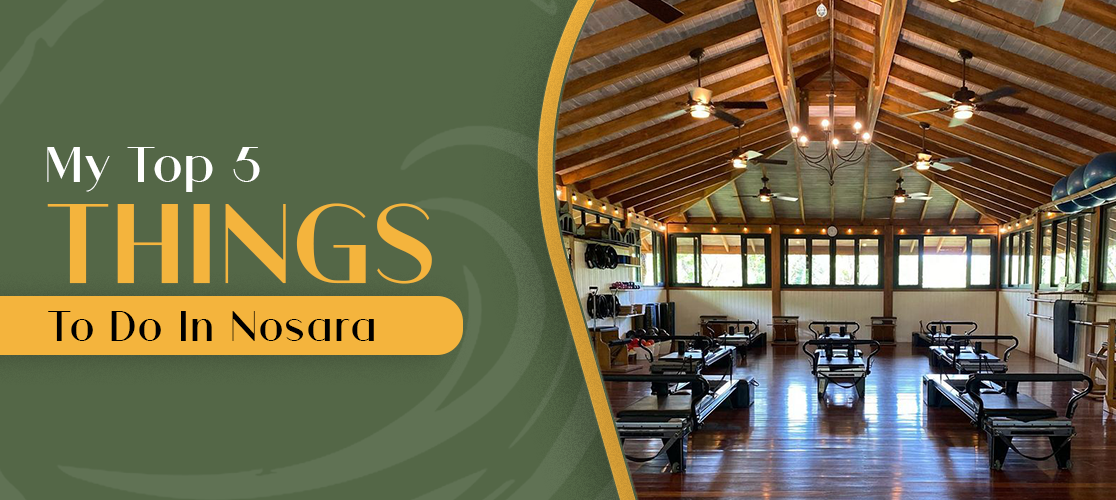
My Top 5 Things To Do In Nosara
Are you wondering how to plan the perfect trip to Nosara? Scroll down to see my list